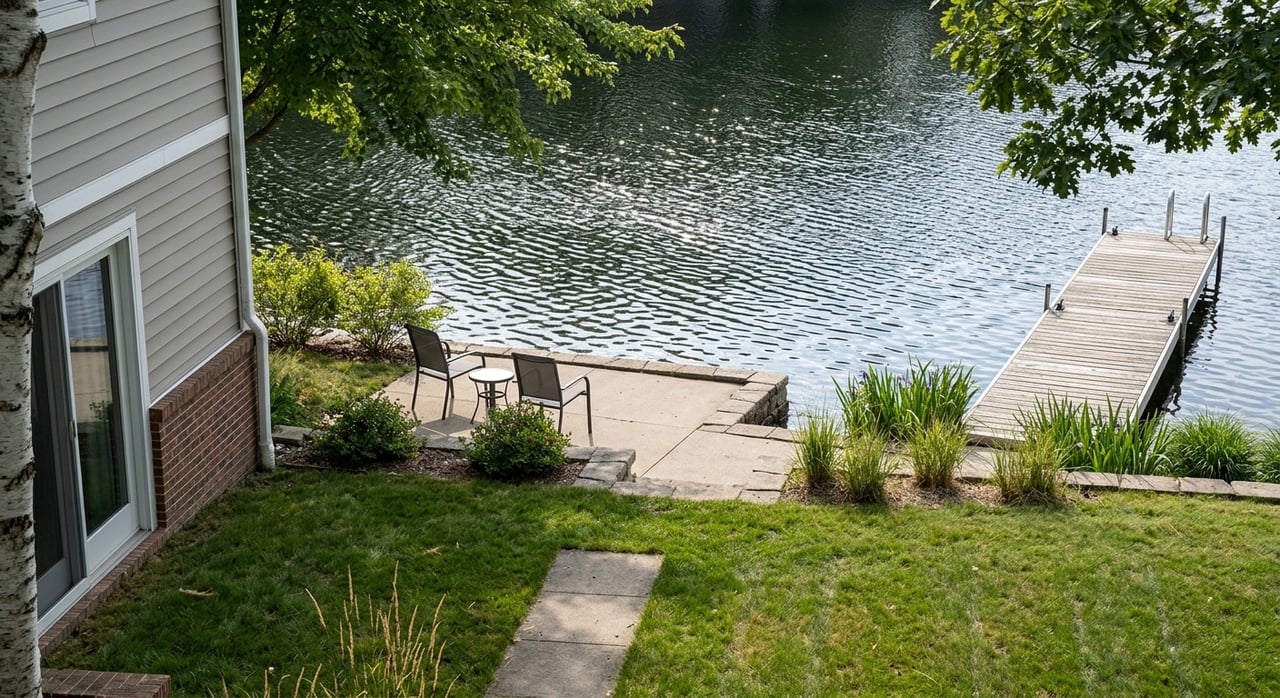
Is Minnetonka Lake Living Right For You?
May 7, 2026
May 7, 2026
Wondering whether Minnetonka lake living is all charm and sunsets, or a lifestyle with real tradeoffs? If you are thinking about buying near Lake Minnetonka or simply want easier access to water, trails, and outdoor recreation, it helps to look past the view and focus on how daily life actually feels. Here’s what you should know about living in Minnetonka, from housing and recreation to commuting and shoreline upkeep, so you can decide if it fits your goals. Let’s dive in.
Minnetonka is a fully developed suburban community of more than 53,000 residents about eight miles west of Minneapolis. The city is known for its natural setting, with trees, wetlands, prairies, and many different bodies of water woven into daily life.
That setting is a big part of the appeal. Minnetonka has more than 268 acres of maintained parkland, more than 100 miles of trails, and 1,000 acres of natural public open space, which means the outdoor lifestyle here goes well beyond the shoreline.
Lake Minnetonka itself is more than 14,000 acres, making it the largest lake in the Twin Cities metro. It is popular year-round, but it is important to know that peak boating season can bring heavy boat traffic and crowded ramps, so the experience is often active and social rather than quiet or resort-like.
Minnetonka can be a strong fit if you want a suburban setting with frequent access to water and outdoor recreation. You may enjoy it most if you picture weekends on the lake, walks on wooded trails, and a home base that feels residential rather than urban.
It can also work well if you do not need direct waterfront ownership to enjoy the lifestyle. Public access points, beaches, and trail systems make it possible to enjoy the water without buying a lakefront lot.
On the other hand, this lifestyle may be less appealing if you want very low home maintenance or rely heavily on transit for everyday commuting. Tight housing supply, car-oriented routines, and added shoreline considerations can be part of the package.
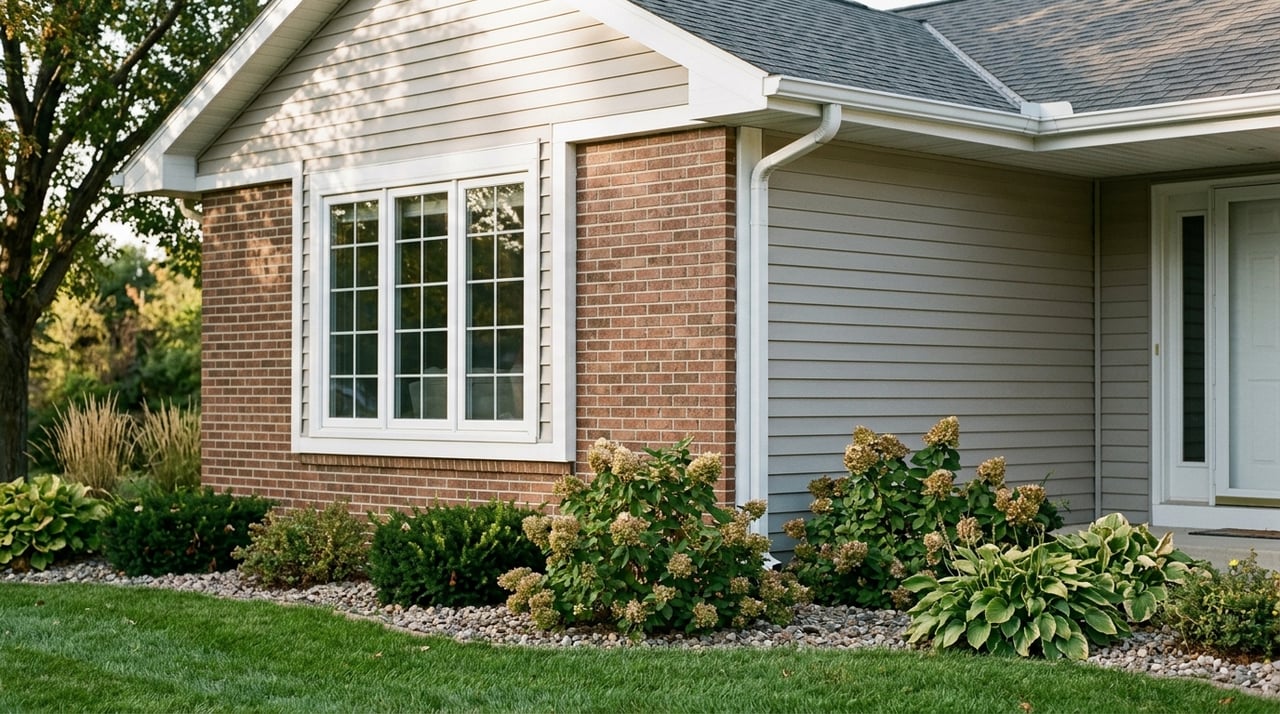
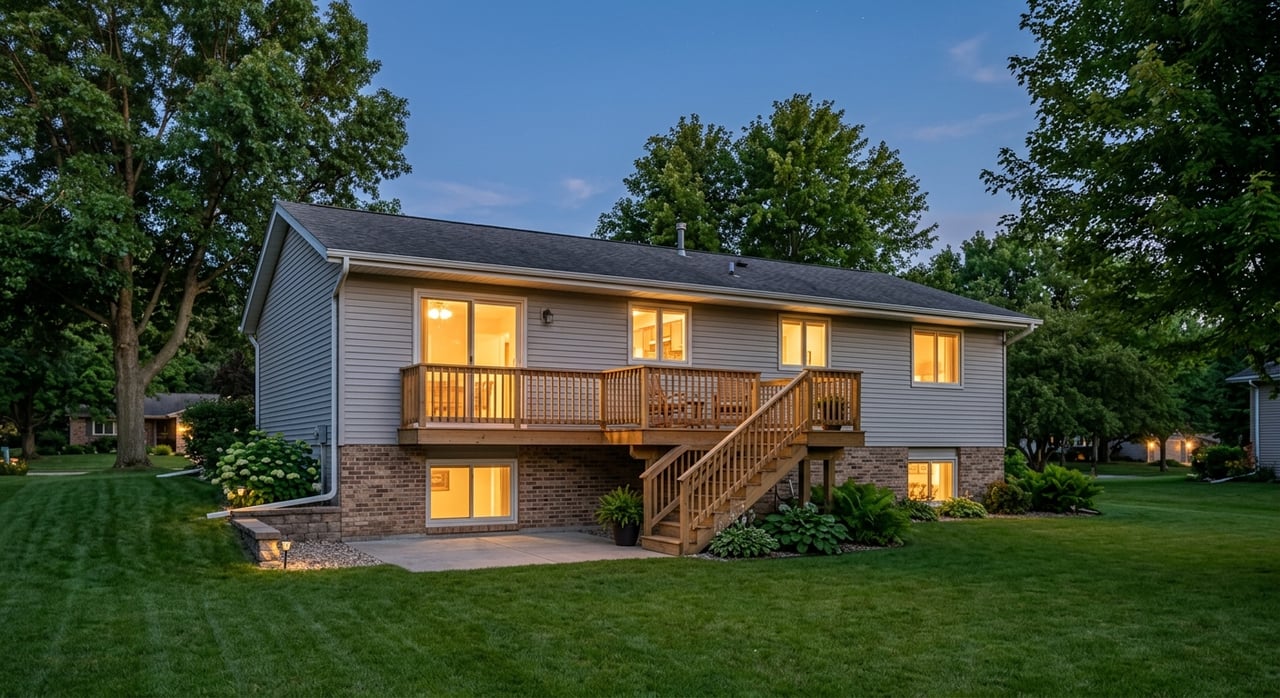
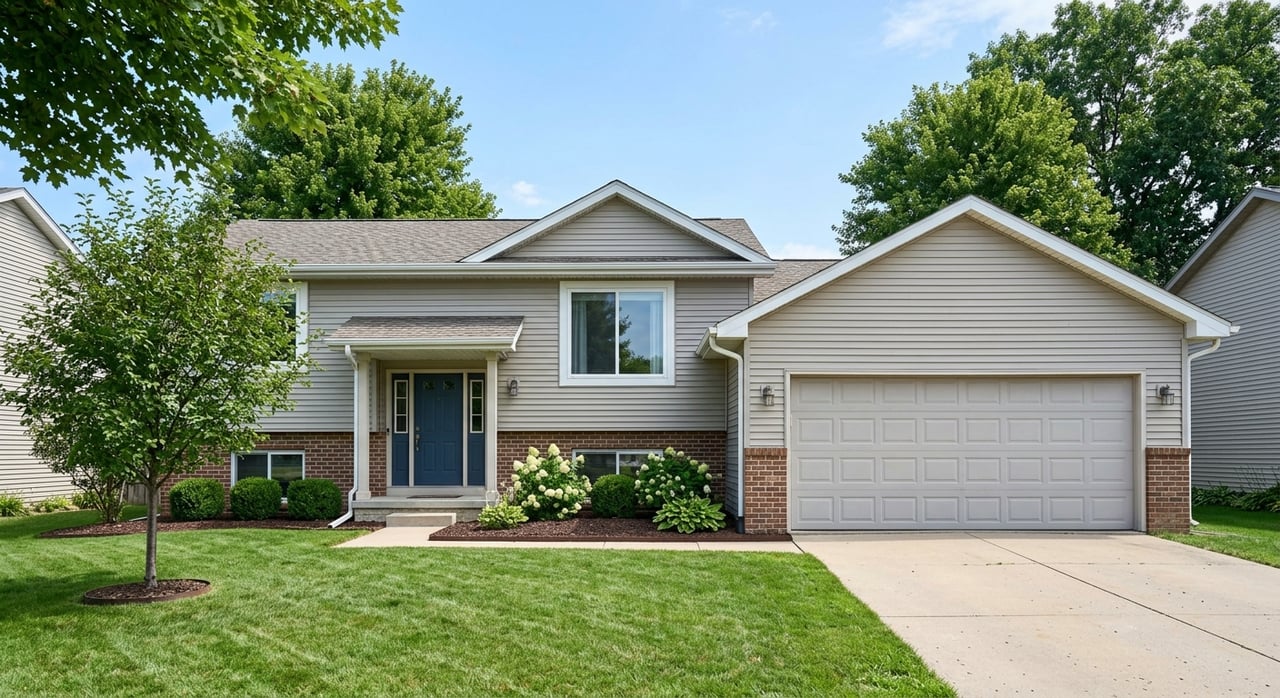
Minnetonka’s housing mix is varied, but it leans suburban. According to the city’s 2024 climate plan, the housing stock is about 54% single-family detached homes, 35% multifamily homes, 10% townhomes, and 1% duplex, triplex, or quad units.
That matters because a move to Minnetonka usually feels more like a move into established suburban neighborhoods than into a dense lakeside district. About half of the city’s 28 square miles is low-density housing, and much of that is owner-occupied single-family housing.
The age of the housing stock also shapes what buyers should expect. Much of the single-family inventory was built between 1950 and 1970, while most multifamily housing dates to the 1970s and 1980s.
Older homes can offer character, mature trees, and larger lots, but they can also come with more upkeep. The city’s climate plan notes that the average Minnetonka home used almost 20% more energy than the regional average in 2019, so utility costs and ongoing maintenance deserve a close look during your home search.
If your home search in Minnetonka feels competitive, there is a reason. The city’s housing plan describes limited supply of home purchase opportunities and low turnover rates.
For buyers, that can mean needing to move quickly when a well-located property hits the market. It can also mean being open to a range of options, such as homes near water access or trails instead of only true waterfront homes.
This is where local guidance matters. In a market with tighter inventory, a clear plan and fast communication can make it easier to evaluate options and act with confidence.
You do not need to own lakefront property to enjoy the water in Minnetonka. Minnesota DNR public water accesses are generally open 24 hours a day unless posted otherwise, and Lake Minnetonka includes several public access sites such as Minnetonka-Upper Lake, Minnetonka-Lower Lake, Minnetonka-Carsons Bay, and Minnetonka-Jennings Bay.
Within the city, Gray’s Bay Public Access and Marina is a major access point. During the season, roughly April 1 to October 31 depending on weather and ice-out conditions, it can be used 24 hours a day and includes three launch lanes, 112 trailer spaces, and 29 permanent boat slips.
Minnetonka also offers other ways to get on or near the water. Minnehaha Creek Headwaters Park has a canoe and kayak launch into Minnehaha Creek, while Gray’s Bay Causeway Park provides fishing access.
If you are not focused on boating, Minnetonka still offers simple ways to enjoy a water-centered lifestyle. Shady Oak Beach is a city-operated spring-fed beach with a sandy shoreline and lifeguards.
Libbs Lake Beach is another public option, though it is smaller, has limited parking, and does not have lifeguards. For many buyers, amenities like these can make living near water feel more accessible without the price or upkeep of shoreline ownership.
One of the biggest strengths of Minnetonka is that the outdoor lifestyle does not stop when boating season ends. The city maintains roughly 90 miles of trails year-round, and the broader trail system stretches beyond 100 miles.
In winter, residents can use snowshoe access at Lone Lake Park trails, outdoor ice rinks, and public skating opportunities at Minnetonka Ice Arena. If you want a location that supports outdoor activity in every season, Minnetonka checks that box in a practical way.
Minnetonka offers strong road access, but it is not a transit-first lakeside community. The city’s 2024 climate plan says 71% of residents commuted by driving alone in 2021, which gives you a good sense of how most people get around.
For drivers, access to I-494 and I-394 is a plus. The city describes I-394 as a primary 15-minute commuter route to downtown Minneapolis.
There are also local and express bus service options and park-and-ride choices. Still, if you need rail service to anchor your daily routine, it is worth noting that the Green Line Extension station serving the Opus area was still in testing in 2025 and is scheduled to open in 2027, so it should be viewed as a future benefit rather than a current commuting backbone.
If you are considering waterfront property, it is smart to go in with realistic expectations. Lake living in Minnetonka includes a regulated shoreline environment, and local rules are designed to protect water resources.
The city says four watershed districts work with Minnetonka to govern and protect local water resources, and stormwater controls are guided by the city’s MS4 permit framework. In the shoreland district, water-oriented accessory structures are limited to 120 square feet, 10 feet in height, one per lot, and must be set at least 10 feet from the ordinary high water level and visually screened.
For upkeep, the Minnesota DNR recommends a natural-vegetation approach to erosion control. Riprap or other hard armoring should be used only when there is a demonstrated need.
The DNR also notes that temporary docks and lifts are preferred over permanent structures, aquatic vegetation removal is regulated, and docks and boat lifts must be out of the water for 21 days before being moved to another body of water. Minnesota law also requires visible zebra mussels, faucet snails, and aquatic plants to be removed before transporting equipment.
If you are trying to decide whether Minnetonka lake living fits your lifestyle, ask yourself a few practical questions:
Your answers can quickly clarify whether Minnetonka is the right match. For some buyers, the combination of recreation, suburban space, and water access is exactly the point. For others, the upkeep, competition, or commuting pattern may point them toward a different kind of community.
Minnetonka lake living can be a great fit if you want a suburban home base with strong access to Lake Minnetonka, public beaches, trails, and year-round outdoor amenities. It offers a water-rich setting without requiring every resident to own waterfront property.
At the same time, it is important to weigh the tradeoffs. Inventory can feel limited, many homes are older, commuting is often car-based, and shoreline ownership brings added rules and maintenance.
If you want help comparing waterfront, near-water, and non-waterfront options in Minnetonka, Amanda Cox can help you sort through the details and find a home that truly fits how you want to live.
Stay up to date on the latest real estate trends.
We are committed to guiding you every step of the way—whether you're buying a home, selling a property, or securing a mortgage. Whatever your needs, we've got you covered.
LAURA BAERTHEL
4411 LAKE AVE S WHITE BEAR LAKE MN 55110