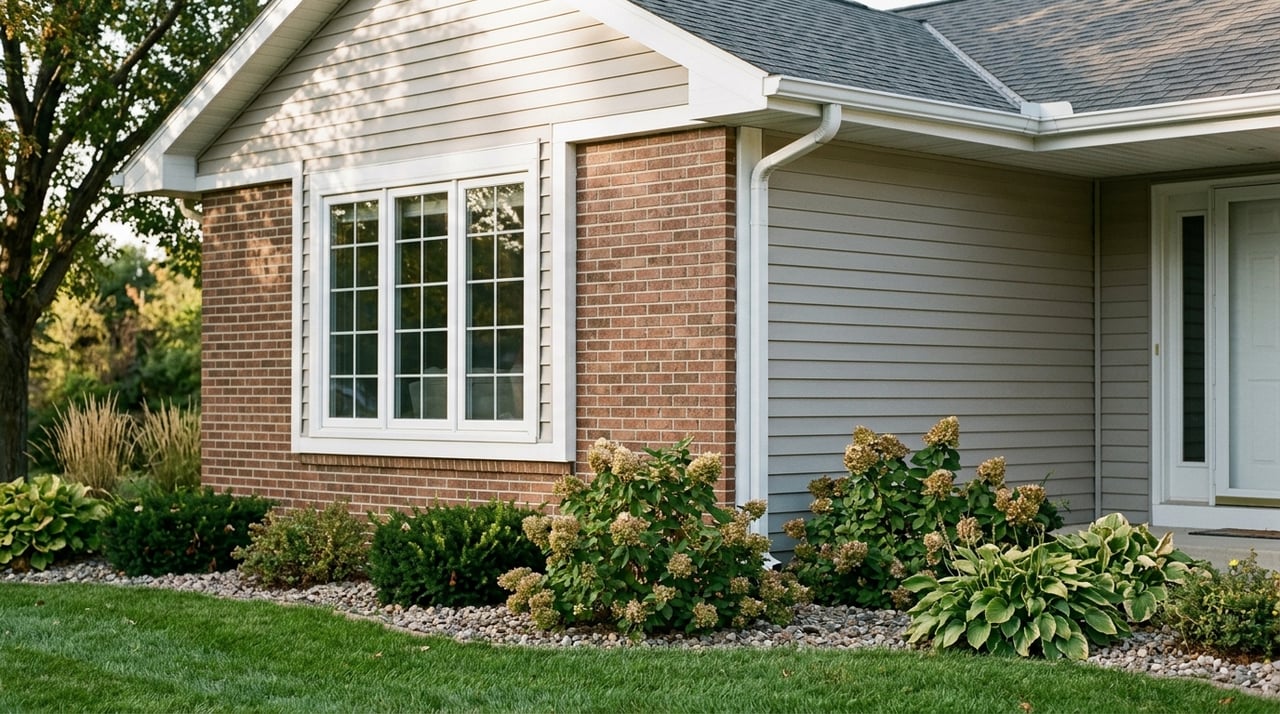
Choosing An Older Or Newer Home In Saint Paul Park
May 14, 2026
May 14, 2026
Trying to decide between an older home and a newer one in Saint Paul Park? You are not alone. Many buyers here are not choosing between a 1950s house and brand-new construction straight from a builder. More often, you are weighing the charm and lot size of an established home against the layout and efficiency of a home built in the 1990s or 2000s. This guide will help you compare both options so you can make a smart move with confidence. Let’s dive in.
Saint Paul Park did not develop all at once, and that matters when you start house hunting. The city grew in different phases, including early platting in the late 1800s, slower growth through the 20th century, affordable housing development in the 1980s, and added development area after a 2005 annexation. That history created a varied housing market instead of one uniform style or age of home.
The local housing stock leans older and established. East Metro data counts 2,326 homes by year built, with large shares from 1940 through 1989. About 67% of the counted homes were built during that period, while only about 5% were built in 2010 or later.
That means your search in Saint Paul Park will likely focus on existing homes rather than a large supply of newly built properties. It is also a strongly owner-occupied market, with Census QuickFacts reporting a 78.6% owner-occupied rate. For many buyers, that can signal a more established residential setting.
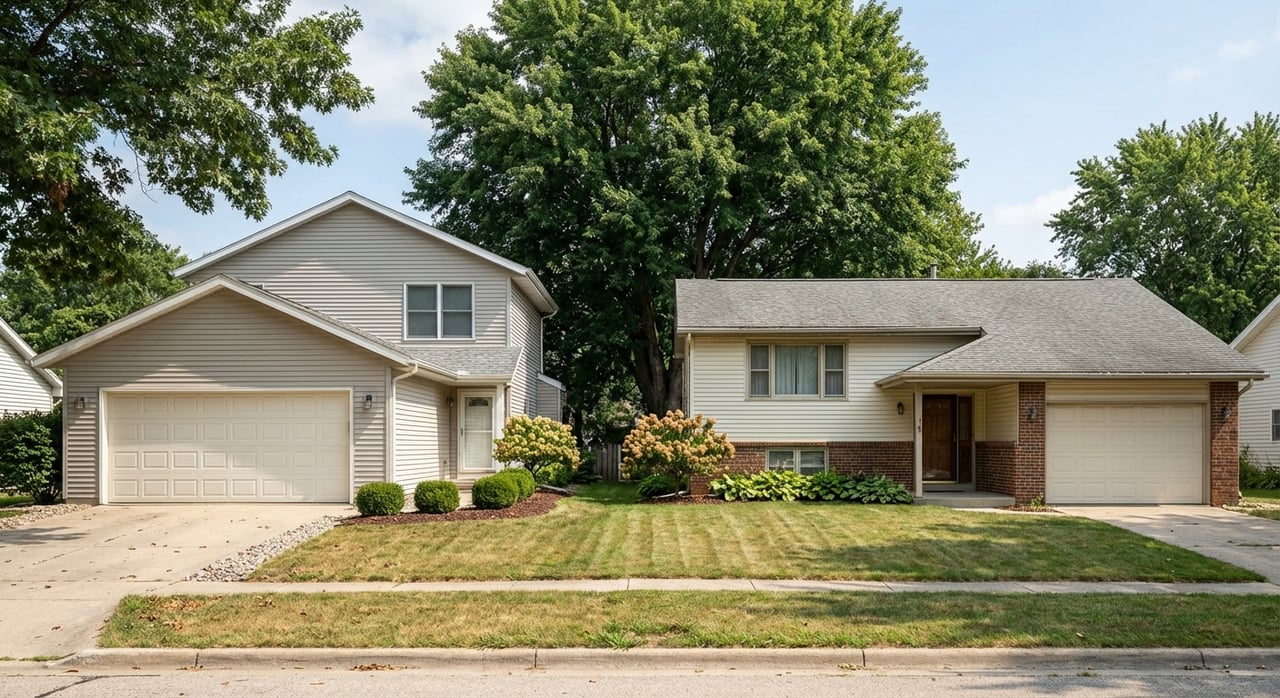
As you tour homes in Saint Paul Park, you are likely to see a broad mix of styles. Common options include bungalows, ranch-style homes, split-level homes, and a smaller number of newer townhouses. The city’s setting near the river, along with its natural bluff, also shapes the feel of some neighborhoods and lot layouts.
In practical terms, listings here often describe homes as ramblers, split-foyers, updated homes, move-in ready homes, or rehab opportunities. Recent examples have ranged from an 1880 home marketed for rehab or rebuild to homes built in 1988, 1993, and 2004. That variety gives buyers more choice, but it also means you need to compare homes by condition and features, not just by price.
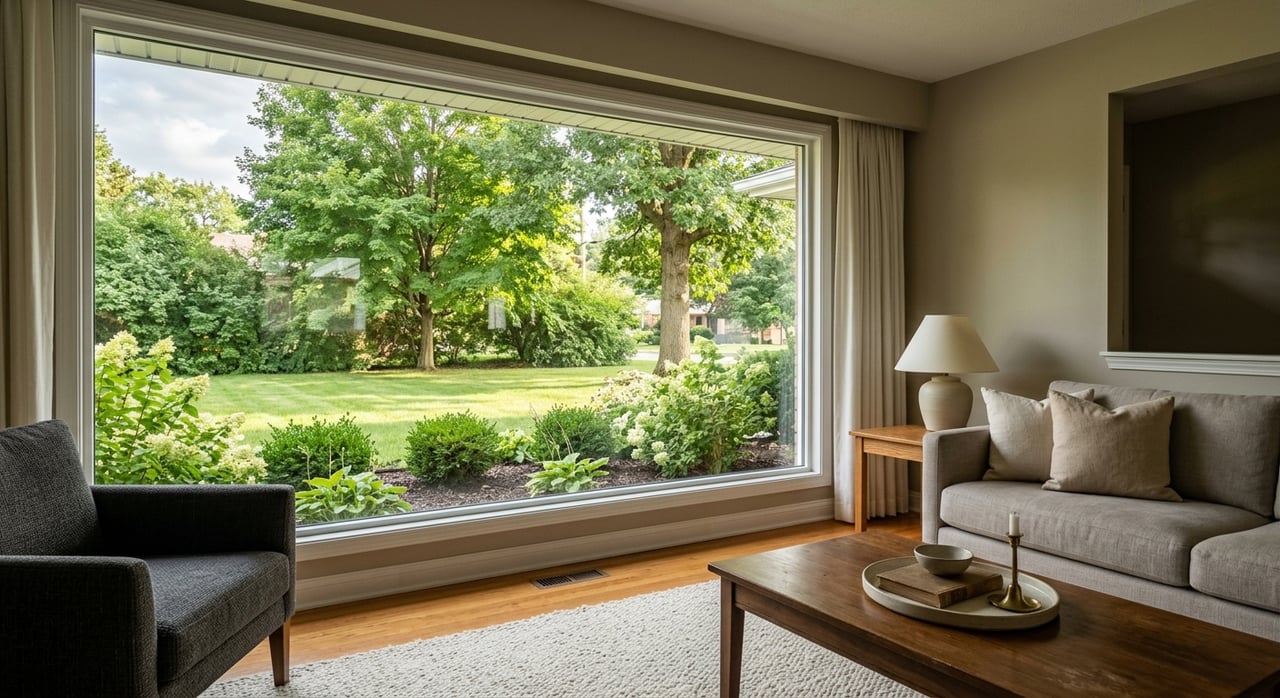
Many buyers also notice that Saint Paul Park homes often offer more yard space than they expected. Some properties back up to wooded areas, and established lots may come with mature trees. If outdoor space matters to you, this can be an important part of the decision.
Older homes in Saint Paul Park often appeal to buyers who want character and a more established setting. Mid-century ranches, bungalows, and split-level homes can offer mature trees, larger lots, and a neighborhood feel that developed over time. If you like the idea of a home with personality and outdoor space, older homes may stand out right away.
Older homes can also give you more flexibility to update over time. You may be able to buy into a location you like and make improvements in stages as your budget allows. For some buyers, that tradeoff feels worthwhile.
Still, it is important to go in with a clear plan. Older homes often need more attention to maintenance, comfort, and energy performance than newer homes do.
Minnesota’s Home Energy Guide says homes built before 1960 generally do not have insulated walls, or they may have insulation that falls short of today’s standards. The guide also notes that many homes built before 1970 do not have a separate vapor retarder. In real life, that can affect comfort, draftiness, and energy use.
If you are looking at an older Saint Paul Park home, pay close attention to insulation and air sealing. The Minnesota guide says those updates can improve comfort and lower energy use. This does not mean every older home performs poorly, but it does mean efficiency should be part of your evaluation.
If a home was built before 1978, lead-based paint is another issue to review carefully. According to the EPA, homes built before 1978 are more likely to contain lead-based paint, especially homes built before 1940. That does not mean you should avoid older homes altogether, but it does mean you should take disclosures and renovation planning seriously.
Before making updates to an older home, look closely at the condition of painted surfaces and think ahead about lead-safe renovation practices. If you are planning cosmetic work soon after closing, this can affect both your budget and timeline. It is one more reason to evaluate an older home beyond the listing photos.
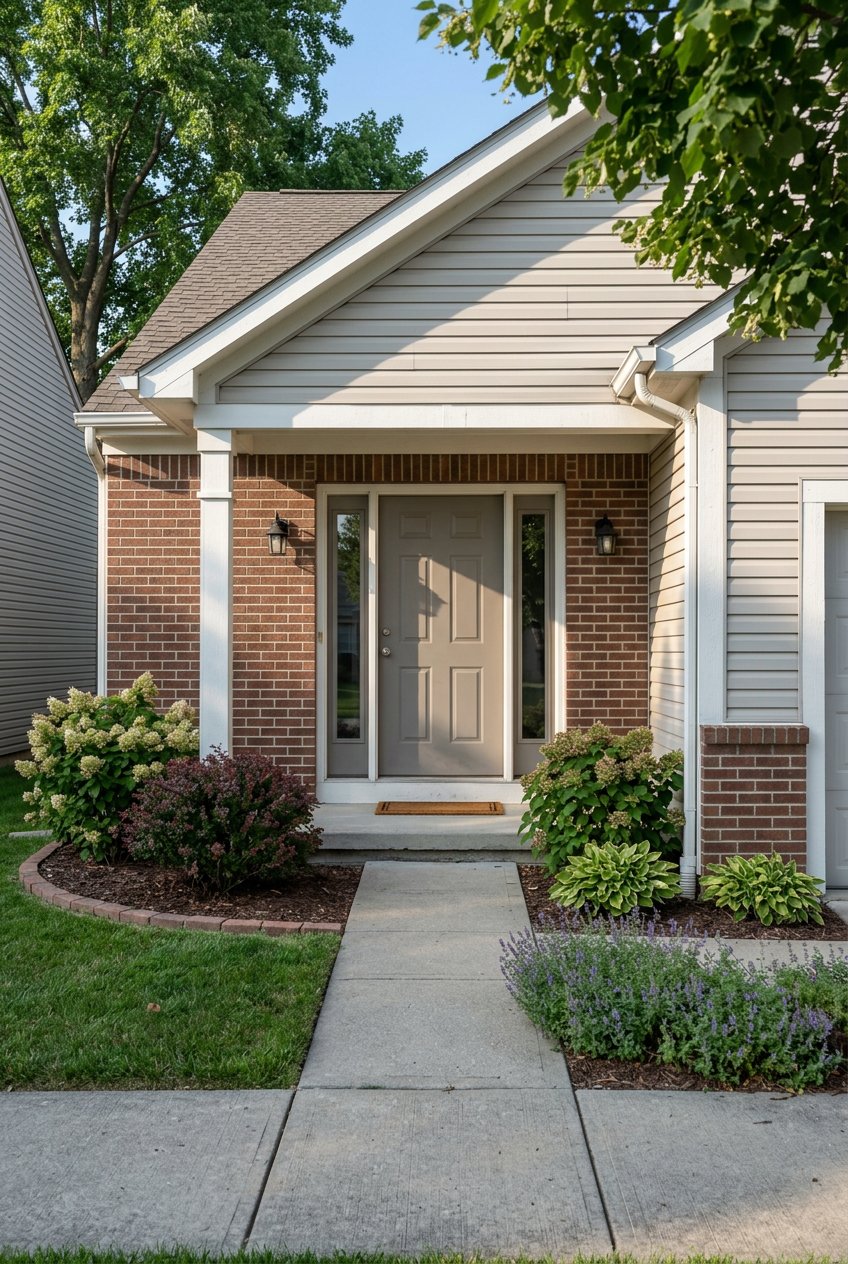
Newer homes usually attract buyers who want fewer immediate projects. They often offer more modern layouts, lower near-term maintenance, and better energy performance. If your goal is to move in and settle quickly, a newer home may feel like the easier fit.
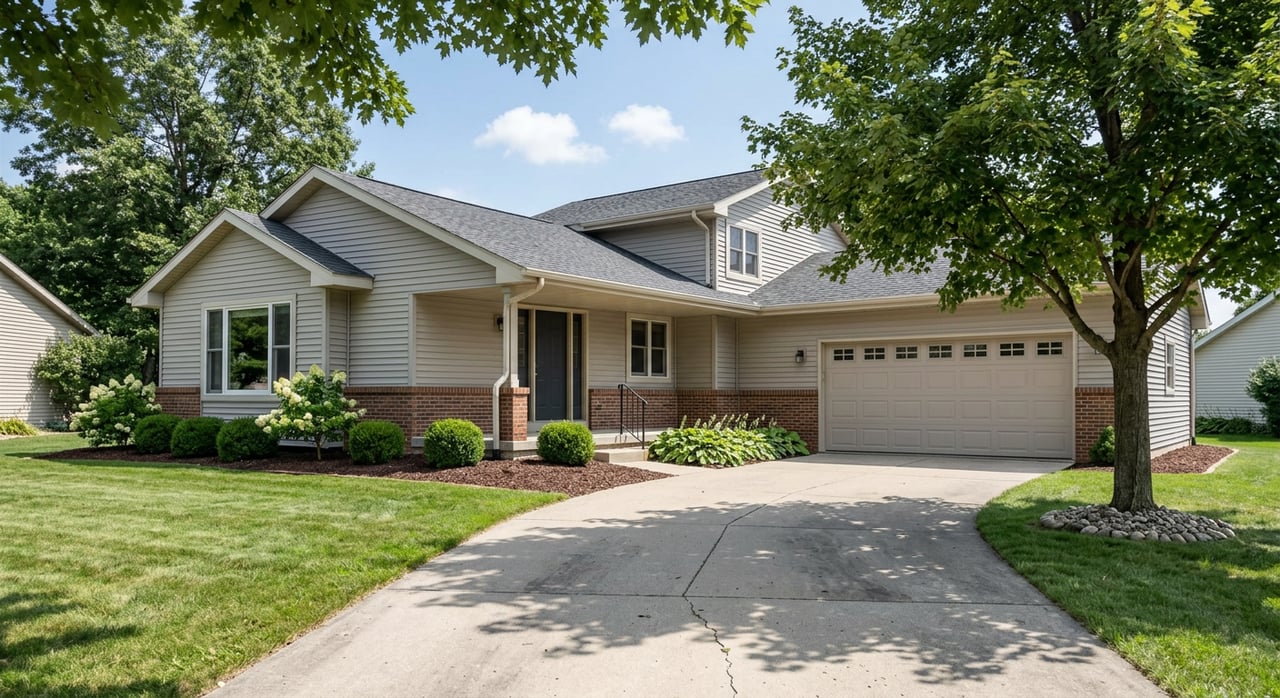
In Saint Paul Park, though, newer often means a home from the 1990s or 2000s rather than a newly built property. Current listing examples show homes from 1993 and 2004, along with late-1980s homes and a few newer townhouses. So when you say you want newer, it helps to define what that means for your lifestyle and budget.
Minnesota’s Department of Commerce notes that the state’s new residential energy code went into effect in 2015. Newer construction also tends to benefit from tighter building practices. The U.S. Department of Energy says a tight, air-sealed home can reduce drafts, moisture issues, and energy loss.
For you as a buyer, that can translate into a more comfortable day-to-day experience. You may also face fewer immediate efficiency upgrades after moving in. If low-maintenance living is a priority, this can be a major advantage.
Because Saint Paul Park has relatively limited truly recent construction, buyers may need to stay flexible. You might find that your best match is a 1990s two-story, a 2000s split-level, or a townhouse with an HOA rather than a brand-new detached home. In this market, flexibility can open up more realistic and affordable options.
That flexibility may involve tradeoffs. A newer home may come with a smaller lot, fewer mature trees, or HOA rules and fees. The right choice depends on what matters most to you day to day.
If you are weighing both options, here is a simple side-by-side view of what buyers often compare in Saint Paul Park:
| Feature | Older Home | Newer Home |
|---|---|---|
| Typical appeal | Character, mature trees, larger lots | Modern layout, lower maintenance, easier move-in |
| Common age range | Often 1940s to 1980s | Often 1990s to 2000s |
| Energy performance | May need insulation or air sealing updates | Often better efficiency and tighter construction |
| Project load | More likely to need updates over time | Fewer immediate projects in many cases |
| Lot and setting | Often more established and wooded | May have less mature landscaping |
| Other factors | Pre-1978 homes may require lead-related review | Some options may include HOA fees or rules |
The best home is not always the newest one or the one with the most charm. It is the one that fits your budget, comfort level, and plans for the next several years. In Saint Paul Park, that usually means thinking beyond age alone.
Choose an older home if you value larger lots, mature trees, and a more established neighborhood feel, and you are comfortable planning for updates. Choose a newer home if you want a more contemporary layout, fewer near-term projects, and better efficiency from the start. Both can be great choices when you know what you are walking into.
A helpful local takeaway is this: in Saint Paul Park, the decision is often not old versus brand-new. It is more often mid-century character versus a newer 1990s or 2000s layout. That framing can make your search feel much clearer.
No matter which direction you lean, your due diligence should match the age of the home. A careful review can help you avoid surprises and compare homes more fairly.
Focus on these age-related checkpoints as you shop:
This is where local guidance really helps. A home that looks perfect online may still come with age-related issues that affect your total cost and comfort. Looking at the full picture helps you buy with fewer regrets.
If you are comparing older and newer homes in Saint Paul Park, the smartest next step is to tour a mix of both and look past the surface. The right home for you depends on how you balance character, maintenance, efficiency, and lifestyle. When you want clear local insight and responsive guidance through every step, connect with Amanda Cox.
Stay up to date on the latest real estate trends.
We are committed to guiding you every step of the way—whether you're buying a home, selling a property, or securing a mortgage. Whatever your needs, we've got you covered.
LAURA BAERTHEL
4411 LAKE AVE S WHITE BEAR LAKE MN 55110